
You’ve just completed a brilliant animated explainer video for your research. The science is accurate, the visuals are stunning, and the story is compelling. You upload it… and then, silence.
In today’s digitally saturated world, simply making a great video isn’t enough. For science and research communicators, the real work begins after the render is complete. The question isn’t just “How do I get more views?” but “How do I get the right views that lead to impact, engagement and opportunity?”
This guide is updated for 2026, focusing on strategies that work specifically for animated explainers in the science, research sectors.
Smart Exposure – Placing Your Content Where It Matters
Gone are the days of spraying your video across every platform. Strategic placement is everything.
Your Non-Negotiable Home Base: A Purpose-Built Webpage
Our data at Seed consistently shows that a dedicated landing page or project hub on your own website is the single most effective tool for converting views into meaningful actions and impact. This is your controlled environment. Structure it for impact:
- A headline that states a benefit or solves a problem (e.g., “See How Coral Adaptation Works, not just ‘Our Coral Research Video”).
- The video was prominently placed “above the fold.”
- Contextual copy that summarises the research, lists collaborators and links to the full paper.
- A clear, primary Call-to-Action (CTA): “Download the White Paper,” “Join the Webinar,” “Explore the Interactive Data.”
- A secondary “soft” CTA to capture leads: “Subscribe for More Science Insights.”
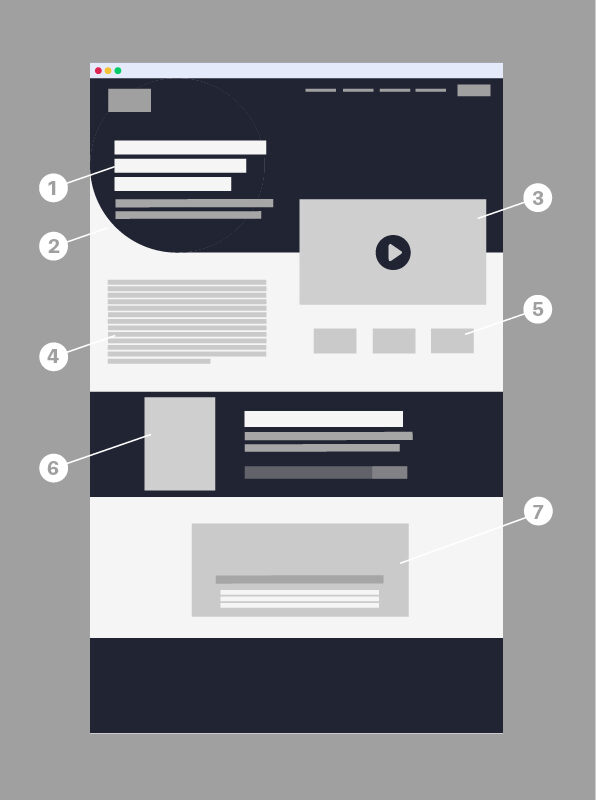
1- Attention grabbing headline
2- Subtitle
3- Video
4- Page copy
5- Call-to-action
6- Download
7- Case study / Testimonial
The Strategic Social Triad for 2026
Forget trying to be everywhere. Master this core trio:
LinkedIn
Your primary professional network. Ideal for connecting with fellow researchers, university stakeholders, policy influencers, and potential funders. Use detailed posts that articulate the why behind the animation.
YouTube
Not just a host, but a discovery engine. It’s the world’s second-largest search engine. Optimise with keyword-rich titles, descriptions (with full links), and chapters. Create a “Research Explainer” playlist for your channel.
Instagram / TikTok (Reels)
Your reach and engagement amplifiers. Repurpose your explainer into snappy, vertical, 60-90 second previews. Use on-screen text and dynamic clips to hook viewers and direct them to the full video on your site or YouTube.
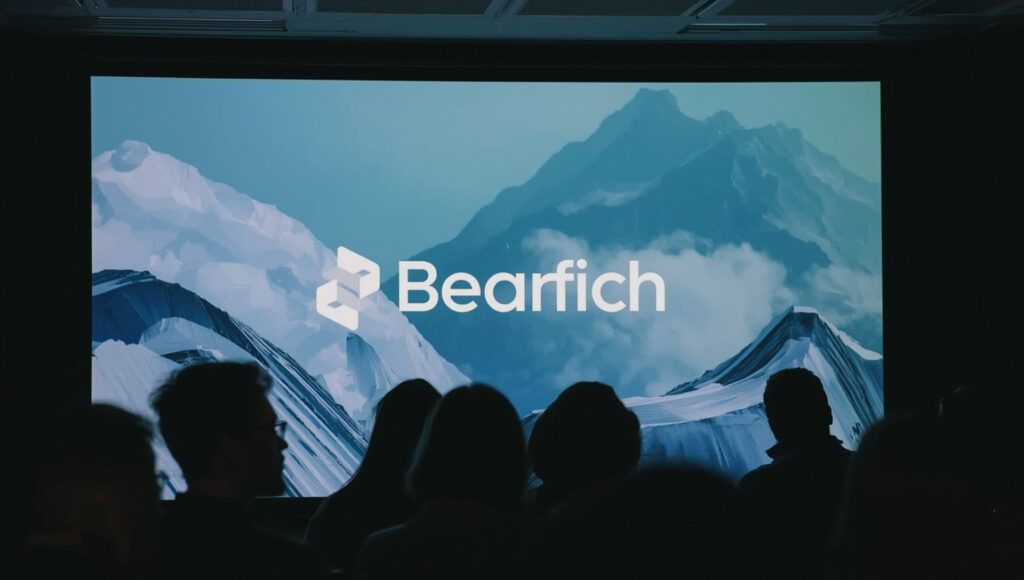
Niche Channels with High Intent
- Academic & Professional Hubs
Share in relevant LinkedIn Groups, Slack/Discord communities (like SciComm or specific discipline groups), and university or research institute intranets. - Conference & Event Amplification
Use your video in presentations, send it as a pre-read to attendees, or share it during virtual poster sessions. - Stakeholder Communications
Embed videos directly into grant reports, policy briefs, email newsletters to funders, and annual impact reviews.
Intelligent Reach – Getting on the Right Screens
Reach is about being found by the audiences who need your work.
The 2026 SEO Playbook for Animated Science
Search optimisation is your best friend for long-term, organic reach.
- Keyword Your Content
Research terms your audience searches for (e.g., “climate change mitigation explained,” “what is CRISPR animation,” “neurological synapse function video”). Use these in your video title, file name, and description. - Master the Metadata
On YouTube and your website, write a full description. Include the DOI link to the related publication, researcher names, and key terms. - Create a Transcript
Post a full transcript below the video on your website. This is fantastic for SEO, accessibility, and allows viewers to search the content.

The Sound-Off Revolution & Accessibility
Over 80% of social video is watched without sound. This isn’t a trend; it’s the norm.
- Burn-in Key Captions
For social clips, use bold, clean captions that are essential to understanding the story. - Provide Full Subtitles/CC
For full videos on YouTube and your site, always enable accurate subtitles. It’s a basic requirement for accessibility and inclusivity, opening your work to a wider global and hearing-impaired audience.
The Community Launch Strategy
When you publish a new explainer:
- Activate your core network: Directly email the research team and involved institution. Provide them with easy share links and suggested post copy.
- Engage your existing community: Share it across your owned channels with a compelling question to spark discussion.
- Consider targeted boosting: A small budget (£150-£200) to boost your best LinkedIn post or Instagram Reel to a highly targeted audience (e.g., “Research Directors in UK environmental science”) can yield more relevant awareness.
Meaningful Engagement – Turning Viewers into Advocates
For science communication, engagement is not about virality; it’s about starting conversations and building credibility.
The Click Magnet: Thumbnail & Hook
You have 2 seconds to stop the scroll.
- Custom Thumbnails are Mandatory
Never use a random auto-generated frame. Design a thumbnail with a clear, intriguing visual and minimal, bold text. - Start with the “Why,” not the “What”
The first 5 seconds must answer: “Why should I care about this?”. Pose a compelling question, state a surprising fact, or show the most captivating visual.
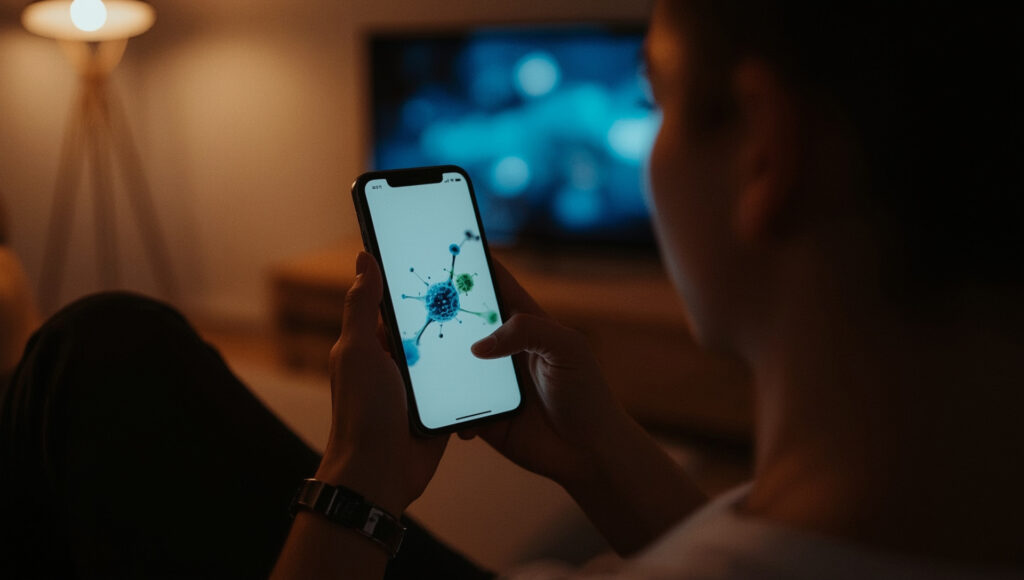
Content That Connects & Informs
- Evoke Curiosity (Not Just Emotion)
While emotion is powerful, for intellectual audiences, sparking curiosity and “aha!” moments is paramount. - Strategic Calls-to-Action (CTAs)
Don’t just ask for a “like.” Tailor your CTA to your goal: - For Discussion
“What aspect of this mechanism is most surprising to you? Comment below.” - For Dissemination
“Share this with a colleague who works on [related topic].” - For Deeper Dives
“Visit our site to download the technical brief that dives deeper into the data.” - Become a Conversationalist
Respond to every comment thoughtfully, especially the technical questions. This builds your reputation as an engaged and knowledgeable source. Tag the lead researchers in responses when appropriate to give the conversation authority.
The 2026 Video Audit: Resurrecting Your “Dormant” Content
Your old videos are a goldmine. Here’s how to give them new life:
- SEO & Title Refresh: Update old video titles and descriptions with your improved 2026 keyword knowledge.
- Create “Snapshot” Clips: Take your best 60-second segment from a 3-minute 2023 video and republish it as a new Instagram Reel or LinkedIn video with a fresh hook.
- The “Series” Strategy: Bundle 3-4 older videos on a similar theme into a “Webinar Series” or “Learning Pathway” on your website, offering it as a downloadable resource in exchange for an email address.
- Re-introduce to Your List: Send a “From Our Archives” newsletter featuring a polished classic, explaining why it’s still relevant today.
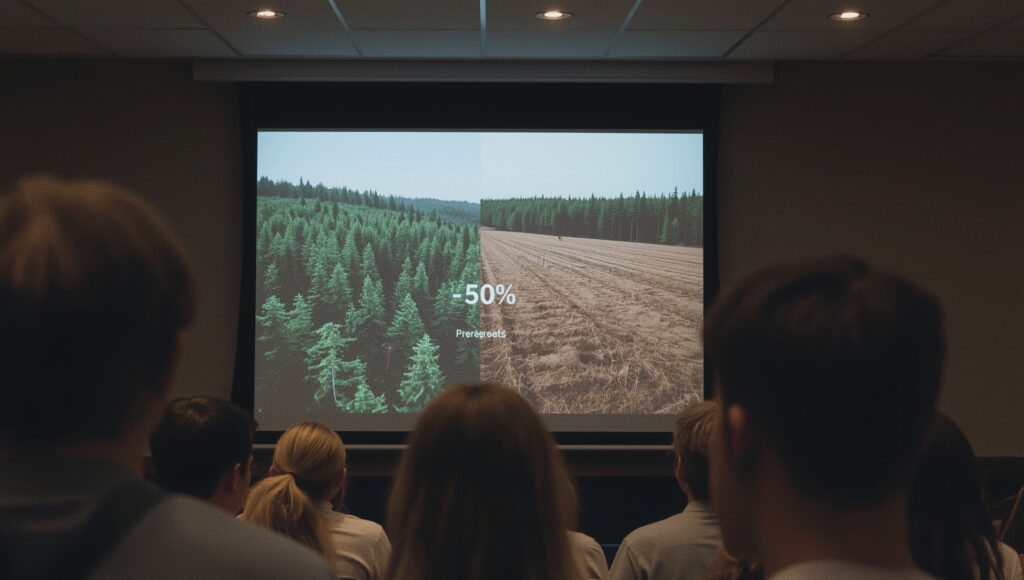
Test, Measure, Refine
Your strategy is a hypothesis. You must test it.
- Track What Matters:
Don’t just watch view counts. Monitor average watch time (are they staying to the end?), website click-through rate (are they taking your CTA?), and next steps (are they speaking with us?). - Iterate:
If a video on plankton performed well, make more on marine ecosystems. If how-to research process videos get high completion rates, double down on that format.
Stop letting your brilliant explanations go unseen. In 2026, your animated explainer is not the final product- it’s the core asset in a strategic communication ecosystem. By focusing on smart placement, accessible design, and conversation-driven engagement, you transform your animations from passive videos into powerful engines for research impact, stakeholder connection, and business growth.
Ready to build a video strategy that ensures your next explainer gets the audience and impact it deserves?
Book a call with Seed to develop a tailored dissemination plan for your next project.