
Animation has become an increasingly popular tool for researchers to communicate their findings to a wider audience. With the rise of digital media, animations have the potential to reach a diverse range of people and make complex research topics more accessible and engaging. In this blog post, we will provide some tips for researchers who want to incorporate animation into their communications.
Identify your audience
The first step in creating an animation is to identify your audience. Who are you trying to reach? What level of knowledge do they have about your research topic? What type of animation would be most engaging and accessible to them? Answering these questions will help you tailor your animation to your intended audience and increase its impact.
Choose your message
The most effective animations are those that convey a clear and concise message. Decide on the key points you want to communicate and structure your animation around those points. Avoid overloading your animation with too much information. Keep it simple and focused on the most important points.
Keep it simple
Animations can be a great way to simplify complex concepts, but be careful not to overload your animation with too much information. Keep it simple and focus on the most important points. Remember that your audience may have limited attention spans, so it’s important to keep your animation short and to the point.
Use visuals
Animations can bring visual elements to life and make complex ideas more understandable. Use images and graphics to enhance your animation and make it more engaging. This will help your audience better understand your research and retain the information you are presenting.
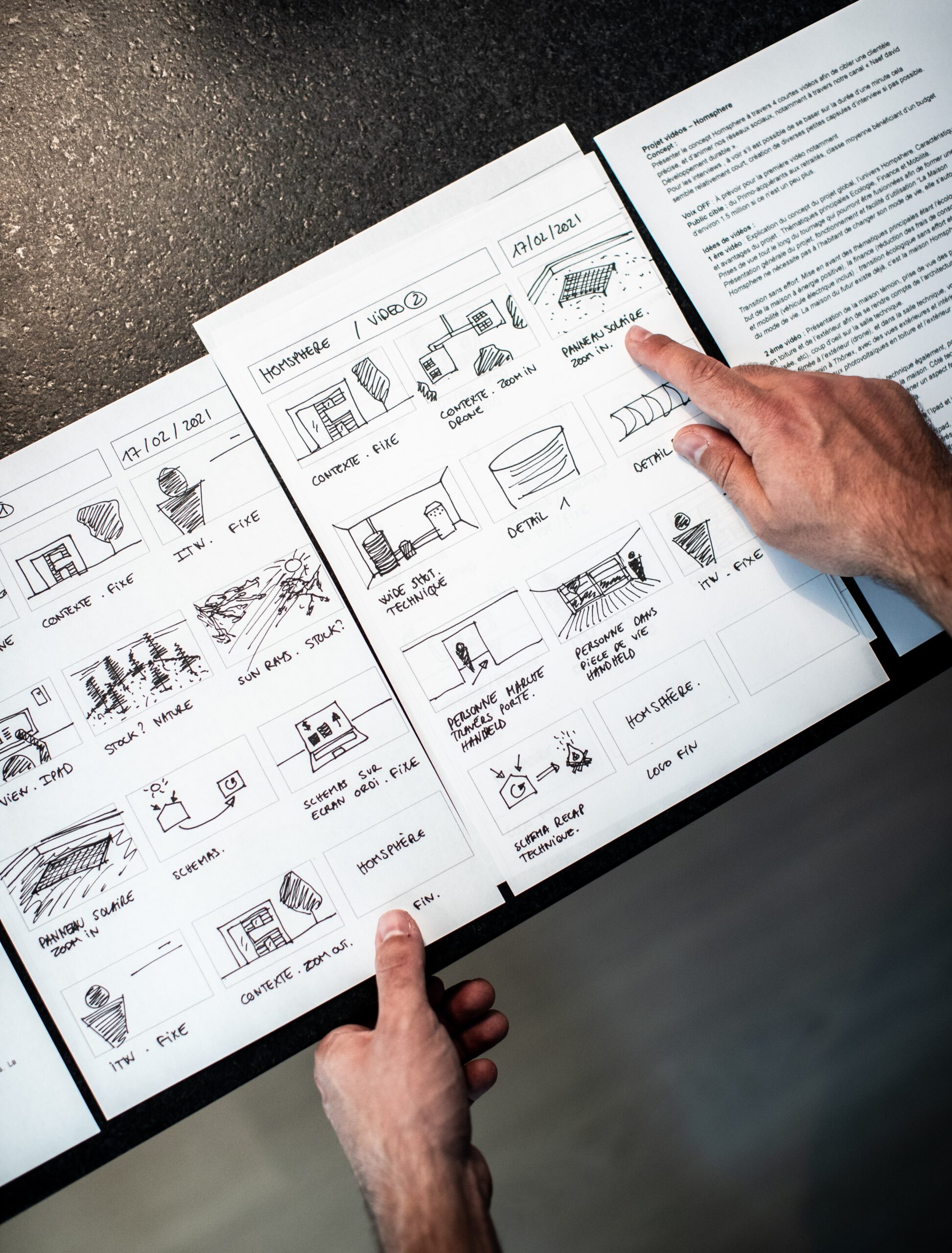
Create a storyboard
Before you start animating, create a storyboard to plan out your animation. This will help you visualize how your animation will flow and ensure that you include all the key information. It also allows you to get feedback from colleagues and make adjustments before starting the animation process.
Keep it short
As previously mentioned, attention spans are short, so keep your animation short and to the point. Aim for no more than two or three minutes. This will ensure that your audience stays engaged and doesn’t lose interest.
Hire a professional
If you don’t have the skills or resources to create an animation yourself, consider hiring a professional animator. They can help bring your ideas to life and create an engaging and effective animation.
In conclusion, animation can be a powerful tool for researchers to communicate their findings to a wider audience. By following these tips, researchers can create effective and engaging animations that make their research more accessible to a diverse range of people. With the rise of digital media, the use of animation in research communication is only set to increase in the years to come.
Like this article? We’ve got loads more where that came from. Sign up to Project: Insight, our fortnightly email digest for best practices in research dissemination and creative innovation for projects.